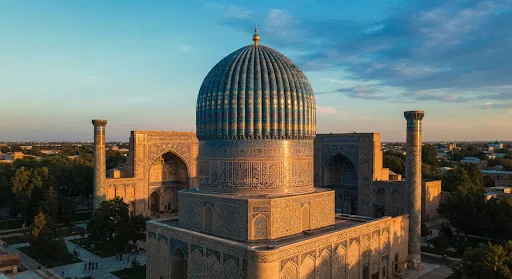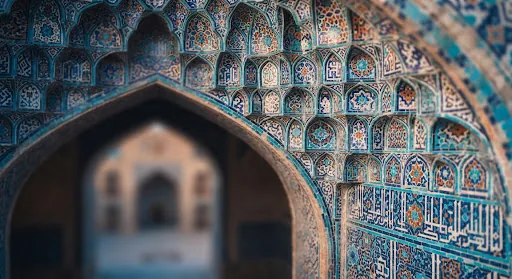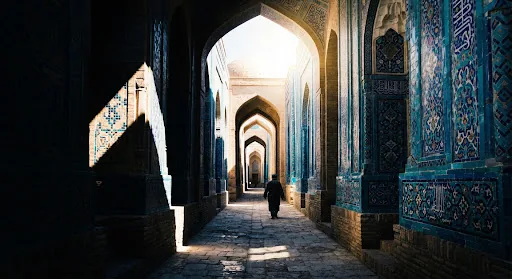
Samarkand sat on the Silk Road between China and the Mediterranean for over two thousand years, and its monuments reflect that: three vast, tile-covered madrasahs facing each other across the Registan, the ribbed blue dome of Timur's mausoleum at Gur-e-Amir, and the narrow, tomb-lined avenue of Shah-i-Zinda climbing a hillside on the edge of the old city.
Most of what's on view dates from the 14th–15th century Timurid period, when Samarkand was the capital of an empire stretching from India to Anatolia. Two full days is a comfortable pace to see the major sites without rushing between them.